
Before you sell your copper
Sorting your copper properly can make a bigger difference than
chasing a slightly higher advertised price.
Mixed grades, attached fittings and contamination can reduce your
return. Missing identification, unclear payment terms and unexpected
collection fees can also delay the sale or leave you receiving less
than you expected.
Here are 12 mistakes to avoid when selling copper scrap in Sydney,
with practical steps to help you prepare your load.
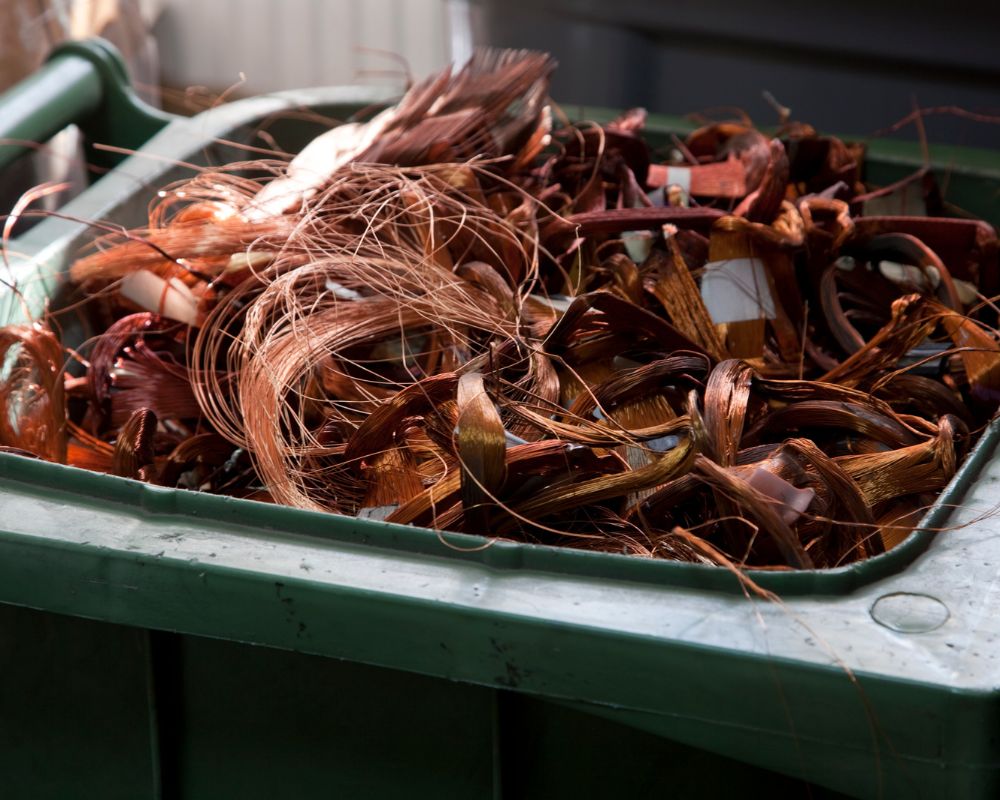
Separate your gradesKeep bare bright, clean pipe, soldered copper and cable apart.
Compare the final paymentCheck grading, deductions and collection charges before agreeing.
Plan your bulk collectionCopper Recycle Sydney works with loads from 3 tonnes, paid by EFT.
Copper scrap mistakes and what to do instead
Use these points when preparing a site clean-out, commercial strip-out
or regular collection of trade offcuts.
Mixing different copper grades
Bare bright wire, clean copper pipe, soldered offcuts and insulated
cable do not all carry the same value. Mixing them makes assessment
harder and can result in a lower blended price or additional sorting
costs.Keep separate bins or bulka bags for each material. If you are unsure
where an item belongs, check our
guide to copper scrap grades
before adding it to a clean copper bin.Do this instead:
Sort as you work and ask for a separate rate for each grade.Leaving brass fittings and steel attached
Brass valves, steel brackets, screws and other attachments add
processing work. A piece of clean pipe may receive a different
assessment when those materials are still attached.Remove accessible fittings where the time involved makes sense.
Keep the brass separate so it can be assessed through
brass scrap recycling.Do this instead:
Separate clean copper lengths, fittings and steel attachments.Confusing copper with brass or plated metal
A copper-coloured surface does not always mean an item is solid
copper. Brass, bronze and copper-plated steel need to be identified
separately rather than placed in a clean copper load.Compare the fresh metal colour and use a magnet to help identify
steel-containing items. Treat these as initial checks rather than
a guarantee of composition.Do this instead:
Put uncertain items aside and send the buyer clear photos.Burning insulation off cable
Do not burn cable to recover the copper. Burning coated wire is
prohibited in NSW, creates harmful smoke and does not turn the
material into clean bare bright copper.Use suitable mechanical stripping equipment or sell it as
insulated copper cable.Do this instead:
Strip mechanically where worthwhile, or leave the insulation intact.Spending too long stripping low-recovery cable
A higher price for stripped copper does not automatically mean a
higher return for your time. Thin cable can take considerable labour
to process while producing relatively little recovered copper.Compare the value of selling the cable intact with the value of the
recovered copper after allowing for labour, equipment and waste.Do this instead:
Assess a small sample before committing hours to stripping.Loading wet, oily or contaminated material
Water, mud, concrete, plastic and cutting oil are not saleable copper.
Contamination may lead to weight deductions, a different grade or
additional handling requirements.Drain pipe, keep sorted material under cover and separate oily
turnings from clean copper offcuts.Do this instead:
Prepare a dry, clearly separated load and disclose contamination.Expecting cash payment
NSW scrap metal dealers are prohibited from paying cash for scrap
metal. The restrictions also cover cheques payable to cash and
payment in kind under the
Scrap Metal Industry Act 2016.Confirm the permitted payment method and timing before arranging
collection. Copper Recycle Sydney pays by EFT.Do this instead:
Confirm EFT details and keep the transaction record.Arriving without identification or source details
Dealers must record seller identification and transaction details.
Missing documents can delay the process, particularly when the load
is large or its source is unclear.Have your identification ready. For commercial loads, keep relevant
job details, site information or authorisation showing where the
copper came from.Do this instead:
Ask which documents are required before delivery or collection.Not checking registration, weighing and paperwork
Your return depends on both the accepted weight and the grade.
Check the buyer’s registration and ask how the load will be weighed
and recorded.Trade weighing equipment must meet applicable
Australian trade measurement requirements.
Request an itemised record of the transaction.Do this instead:
Check the weight, grade, rate, deductions and final total.Comparing only the advertised price per kilogram
A high headline rate is only part of the offer. Collection charges,
contamination deductions, grade assessment and payment terms all
affect what you actually receive.Compare offers using the same photos, estimated weights and material
descriptions. Ask what could change after inspection.Do this instead:
Compare the expected net payment, not just the highest rate.Making frequent trips with small loads
Repeated trips take time and add transport and handling costs.
Where secure storage is available, consolidating sorted copper
from several jobs may be a more practical option.Do not let material accumulate unsecured. Balance collection size
against storage space, site security and your project schedule.Do this instead:
Plan collections around a manageable, securely stored bulk load.Including undeclared air conditioners or batteries
Air conditioners and batteries need separate assessment and handling. They should not be hidden among copper pipe, cable or offcuts.
Arrange appropriate refrigerant recovery through a licensed
technician and confirm acceptance before loading. See
aircon scrap recycling and scrap battery recycling for the relevant services.Do this instead:
Declare these items early and agree on safe collection arrangements.
Your copper scrap pre-sale checklist
- Separate bare bright, clean pipe, soldered copper and insulated cable.
- Remove accessible brass, steel and non-metal attachments.
- Keep material dry and disclose oil or other contamination.
- Declare air conditioners, batteries and unusual items.
- Prepare identification and relevant job or site details.
- Confirm grading, collection charges and payment timing.
- Keep the itemised docket and payment record.
Frequently asked questions
Should I sort copper before requesting a quote?
Separate the main grades where practical and photograph each group.
This gives the buyer a clearer basis for an indicative assessment.
Final grading depends on inspection.
Where can I check indicative copper prices?
Read our
Sydney scrap copper price guide,
then contact us with your grades and estimated weight. Confirm the
applicable rates before arranging your sale.
Does Copper Recycle Sydney accept small loads?
Copper Recycle Sydney works with bulk loads from 3 tonnes. Loads
below 3 tonnes are accepted for a fee rather than purchased.
Contact us to confirm the arrangements before booking.
How can I prepare for a bulk copper collection?
Sort the material, take clear photos and estimate the weight.
Tell us about site access, attachments and any items requiring
separate handling. Our
copper scrap recycling service
explains more about the materials we handle.
Have a bulk copper load ready?
Send photos, your estimated weight and the collection location.
We can discuss the material, grading and collection arrangements
before you book.


